 Commonplace
Cultivate what you believe about your work.
Ask a question. Keep what you read, watch and hear. Work it over with the AI you already use, until what you believe is yours and you can say it.

I am not afraid of the unknown. I am afraid of not having a name for it yet.
Name it to tame it.Siegel and Bryson, The Whole-Brain Child · supports
Four of your five passages are about naming. None are about what happens after you name it. That might be the next question.



Understanding is ground to stand on.
The more of it you have, the easier it is to be with people, and with yourself. Commonplace gathers what you read, watch and hear, and helps you turn it into what you believe, in your own words.
One question at a time.
Everything starts as a question and ends as something you believe. The path between them is the same every time, and you walk it at your own pace.
1
Ask a question
Type one, or let one start from a passage that caught you, a picture you took, or a subject you keep coming back to. The question gets a page of its own, with three empty places under it: what you believe so far, the passages you keep, and what your advisor notices as they add up. The page fills as you read.
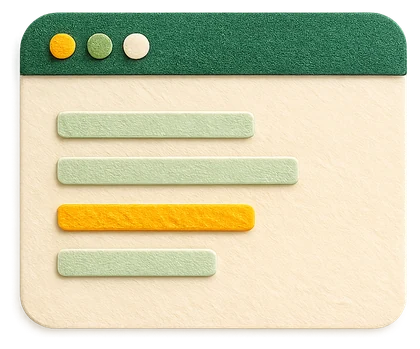 On any web page
The body keeps its own record of what the mind has argued away.
 A picture of a page
 Something someone said
You can’t technique your way into trust.
Dr. Okafor · Supervision
2
Keep from anywhere
A line on any web page, a page of a paper book through your camera, a highlight from your Kindle or Readwise, a link, or a few words someone said. Every passage keeps where it came from, and the book it came from gets a place on your shelf.
3
Say how it lands
Add a passage to a question and say one thing: it supports what you think, it pushes back, or you are not sure yet. The ones you are not sure about wait in a pile called Look closer, and that pile is the agenda for your next session.

4
What you believe
Work the question over with your own Claude or ChatGPT. Your advisor works from everything you kept, notices what keeps coming back, and says where what you keep and what you say pull apart. Then you write what you believe, in your words, and the passage that made you think so sits beside it. The question keeps its history as it changes. Nothing is lost.
A place to come back to.
Most tools hold what you saved. This one holds what you are working out, and it waits for you to come back to it.

Uncertainty is not the problem. Having no words for it is.
not sure yetNot knowing is a place, not a verdict.
not sure yetWhat we cannot name, we cannot leave.
not sure yet
I am not afraid of the unknown. I am afraid of not having a name for it yet.

Five passages from four sources. Two are not placed yet.

It opens on your question.
Not an inbox. The question you are working on, and what you kept since you were last here. Nothing counts the days you were away.

Look closer is what is waiting.
The passages you were not sure about sit in one pile. That pile is your next session, however long it has been.

What you believe is dated.
When it changes, you write it again. The earlier version stays, so you can see how far you have come.
What it holds
- Every passage keeps where it came from: the book, the page, the person.
- A pile called Look closer, for the ones you are not sure about.
- A shelf of everything you have read, watched and heard.
- What your advisor notices across everything you kept.
- Questions on top. Underneath, subjects you name yourself, where passages wait until a question needs them.
- What you believe, dated, in your words, with the passage beside it.
- Starting questions for your field, so the first page is never blank.
- A word on how each passage lands: supports, pushes back, not sure yet.
Who it is for
Anyone who takes in a lot and wants to say what they think. Here are four, made up, with the kind of questions people bring.

Alison, reads for herself
Forty books a year, most of them at night. She can tell you which ones she loved and not what any of them changed.
So she askedWhat do I believe about rest?
Rest is not the absence of work. It is the presence of something else.
A book on sleep · kept and tied to the questionA month on, in her own wordsRest is something I give myself, not something I earn.

Marcus, a counselor in practice
Two years in. Supervision keeps asking what his orientation is, and he has notes from six courses and no sentence of his own.
So he askedWhat is my orientation?
Technique is what you do while the relationship does the work.
A podcast, episode 12 · kept and tied to the questionA month on, in his own wordsThe relationship comes first. The method works because of it.

Priya, a parent
Three parenting books on the nightstand that disagree with each other, and a seven year old who does not wait for her to decide.
So she askedHow do I respond to my kids in the moment?
What a child remembers is less what you said than how the room felt.
A podcast transcript · kept and tied to the questionA month on, in her own wordsA calm room first. The right words can wait for a better night.
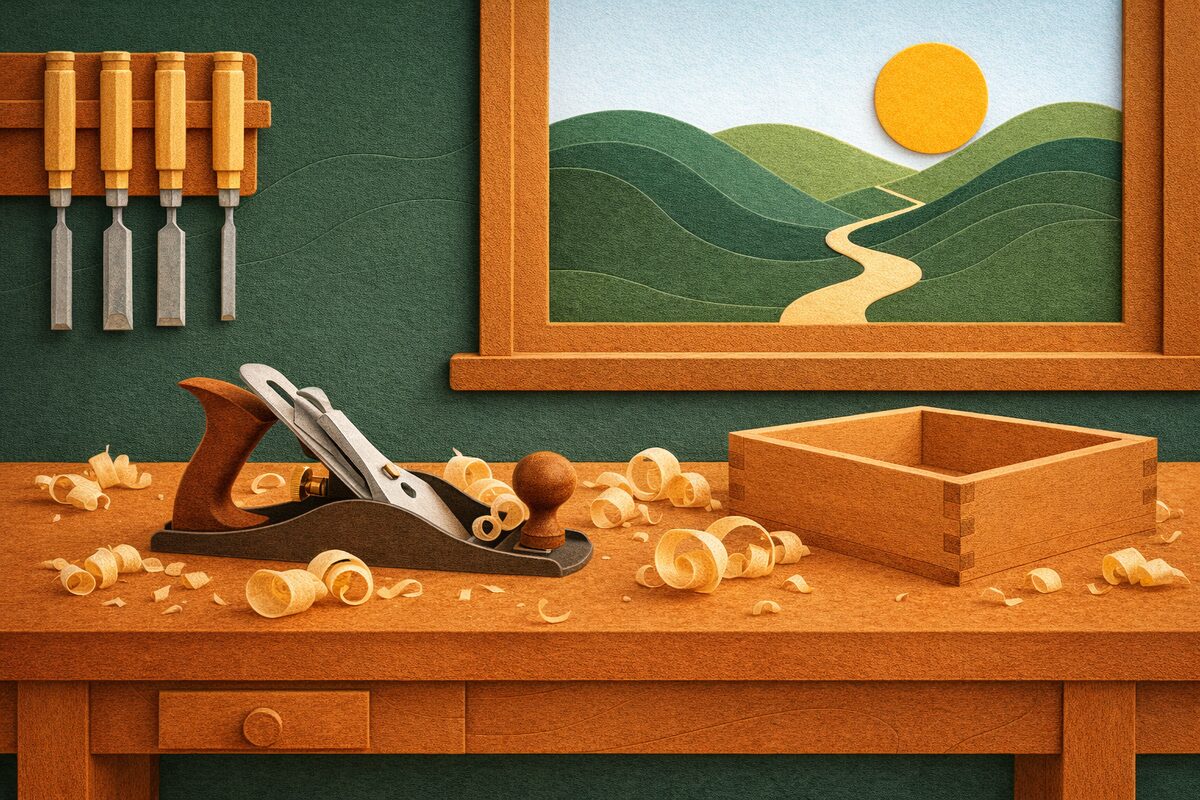
Tom, a hobby
Woodworking videos most evenings, two forums, and one manual from 1978. He finishes pieces and is never sure they are finished.
So he askedWhen is a piece finished?
A joint fits when you stop forcing it.
A woodworking book · kept and tied to the questionA month on, in his own wordsA piece is finished when I stop seeing the joints and see the thing.
Where it came from
It began as one counseling student's study companion, made because he needed it. Somewhere in the reading, it became more. It was where he went when he had lost sight of why he started: to find the ideas that had moved him, to argue with his own positions, to set his foundations a little deeper. He came to see that becoming a practitioner would not end at graduation. So the study companion grew into a commonplace, where what you believe takes shape.
Your own AI, as your advisor
Commonplace works with the Claude or ChatGPT you already use. No second AI bill and no second voice. You connect it once, after you sign in, and we walk you through it.
- Claude
- ChatGPT
There is a plan without the advisor too, if you would rather do the noticing yourself.
Your advisorThree of the passages you kept this week push back on what you wrote in April. Want to look at them side by side?
YouYes. Start with the one from the lecture.

Where what you believe takes shape.
Have a code from a friend? Add it at checkout.
Questions people ask
What is the difference between Commonplace and a second brain app?
A second brain stores what you have to do. This is for what you believe. Most tools help you collect; Commonplace works with the AI you already use until you can say where you stand, in your own words, with the passage that made you think so beside it.
Which AI does it work with?
Claude or ChatGPT. You connect it once, after you sign in, and we walk you through it.
Do I need the AI?
No. Without the advisor you do the noticing and the writing yourself. The app keeps everything, shows you how your passages land, and gives you the questions a good supervisor would ask. It will not draft anything for you.
What does it cost?
The first 14 days are free, with no card. After that, $8 a month or $60 a year, or $4 a month without the advisor. If a friend gave you a code, add it at checkout. If you stop, nothing you kept is deleted.
What happens to a file or a picture I add?
We read your file, keep the text privately on your account, and delete the file. Pictures of pages are read on your own device.
Who can read what I write?
What you keep and write is yours. Commonplace does not see your information. The app records only when you last opened it and how many things you have kept, never what any of them say.
What about the people I work with?
Nothing identifiable about the people you serve is kept. Your advisor stops and asks you to restate without the details.
Can I take my work out?
Yes. What you believe can be copied as text or saved as a Word file. Nothing is lost inside: a question keeps every version of its words and your answer.